

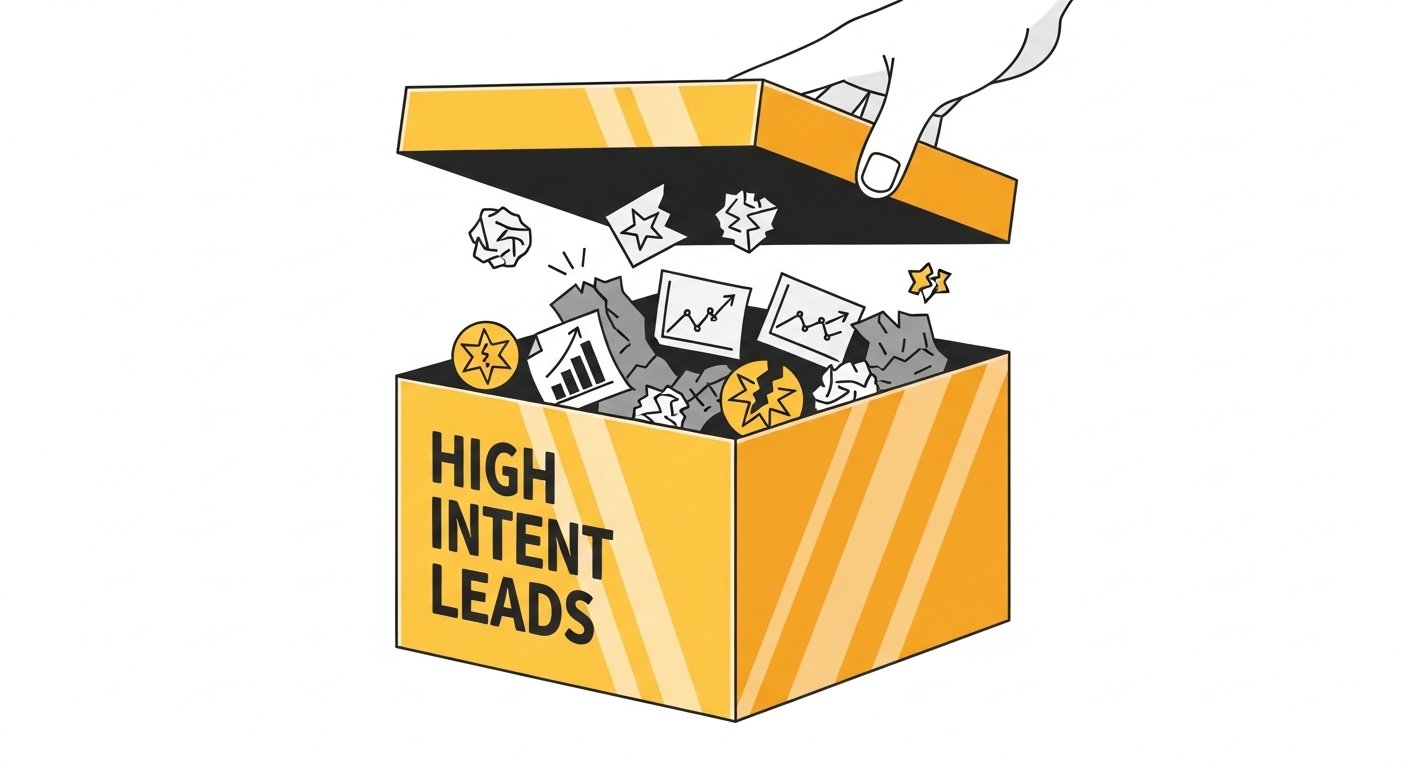
The Truth About High Intent Leads Most People Ignore
High intent leads sound like the dream. Someone ready to buy, already searching, just waiting for your offer. But here’s the thing, most of these so called high intent leads are not what they seem. A lot of them are just curious users, price shoppers, or people comparing options with no real urgency. What most people miss is that intent is often guessed based on behavior like clicks or calls, not actual buying readiness. I have seen businesses pay premium prices expecting easy conversions, only to struggle with low close rates. The label sounds convincing, but it does not guarantee anything. If you are not validating the quality yourself, you are trusting a system that benefits from overselling intent.
Why High Intent Labels Are Misleading
This is where reality hits. In legal services, someone might search for a lawyer and call multiple firms just to understand pricing. Lead providers tag this as high intent because the person took action. But calling does not mean commitment. I have worked with campaigns where these leads looked great on reports but converted poorly. The problem is that intent is being inferred, not confirmed. Businesses end up paying more for leads that behave like cold prospects. Without deeper qualification, these leads create a gap between expectation and actual results. And that gap costs money.
How to Spot Real Buying Intent
Instead of trusting labels, focus on behavior during the interaction. In insurance campaigns, real buyers ask specific questions about pricing, coverage, and next steps within the first minute. They sound decisive. On the other hand, weak leads hesitate, ask vague questions, or hang up quickly. This is where you need to pay attention. Track call duration, listen to recordings, and identify patterns. Over time, you will notice clear differences between serious buyers and casual inquiries. That is your real data, not what a platform claims.
FAQs
What are high intent leads really?
High intent leads are often defined by actions like clicking an ad or making a call, but that does not always reflect true buying readiness. Many of these leads are still in research mode, comparing options without urgency. The label sounds valuable, but it is based on assumptions rather than confirmed intent, which is why conversion rates often disappoint.
How can I filter junk leads?
Focus on real interaction signals instead of labels. Listen to calls, track duration, and analyze the types of questions being asked. Serious buyers tend to be direct and specific, while low quality leads are vague or disengaged. Over time, these patterns become obvious and help you filter out poor leads more effectively.