
Why Scaling Lead Gen Is Riskier Than It Looks
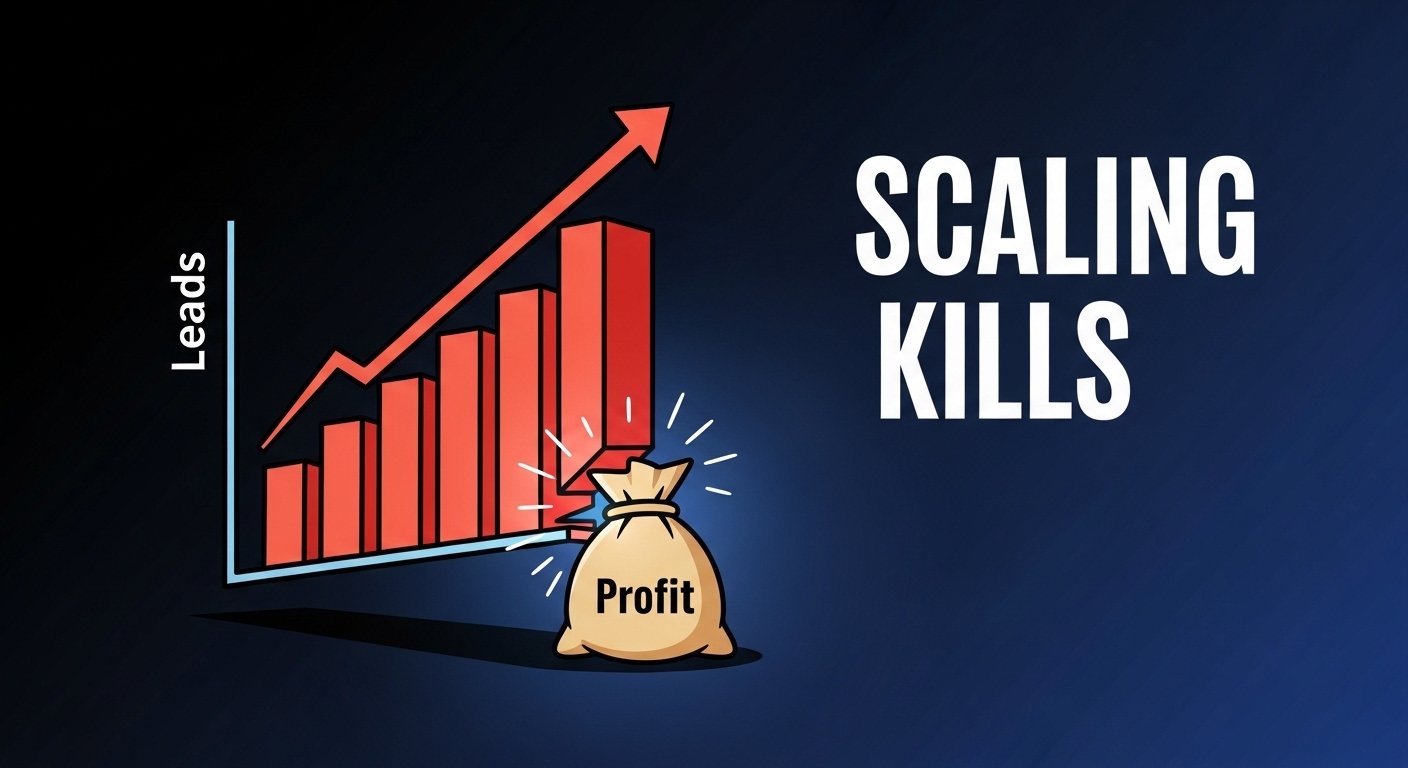
Scaling sounds like the goal, more leads, more clients, more revenue. But here’s the thing, scaling often introduces problems that were not visible at smaller levels. What most people miss is that costs increase faster than expected. Ad prices rise, competition intensifies, and lead quality drops as you expand. I have seen campaigns that were profitable at a small scale become unprofitable after scaling. The system that worked before starts breaking under pressure. If your margins are already thin, scaling can push you into losses quickly. Growth without control is risky.
Rising Costs and Falling Quality
In home services like HVAC, scaling often means targeting broader audiences. This brings in more leads but also more unqualified ones. At the same time, ad platforms increase costs as competition grows. I have seen cost per lead double while conversion rates drop. That combination is dangerous. You are paying more for worse results. This is where many campaigns lose profitability.
Scale Only What Works
The smarter approach is controlled scaling. Increase budget only on proven sources with consistent conversion rates. In insurance campaigns, scaling specific high performing segments works better than expanding blindly. Monitor performance closely and adjust quickly. Scaling should improve profit, not just revenue.
FAQs
Why does scaling reduce margins?
Scaling often increases costs and reduces lead quality. As campaigns expand, competition drives up ad prices and broader targeting brings in less qualified leads. This combination lowers conversion rates and squeezes margins.
How can I scale safely?
Scale gradually and focus on proven sources. Monitor cost and conversion closely. Avoid expanding too quickly without data. Controlled growth helps maintain profitability while reducing risk.