

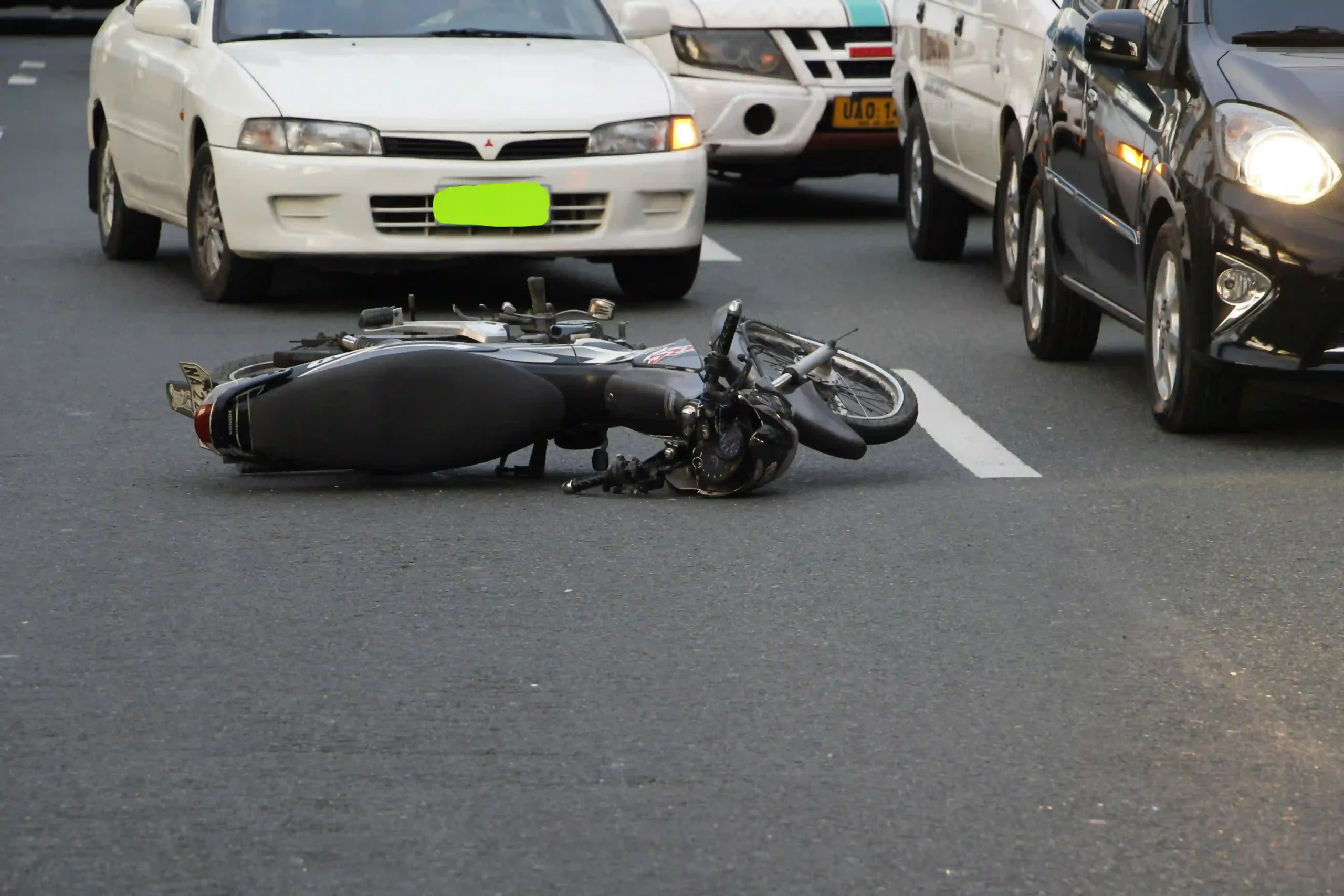
The Biggest Mistakes Riders Make Right After a Motorcycle Accident
Motorcycle riders get a raw deal when it comes to accident claims because there is this built in bias from insurance adjusters and jurors who just assume the biker was speeding or driving recklessly even when the crash was a hundred percent the other driver’s fault and if you make certain mistakes after the accident you are just handing the insurance company ammo to use against you. The number one mistake a motorcycle accident lawyer sees all the time is riders not calling the police to the scene because they think the damage looks minor or they just want to handle things between themselves and the driver but without an official police report the other driver can completely change their story later and it becomes a he said she said nightmare that tanks your case. Another huge mistake is not getting medical attention immediately because even if you feel okay after the adrenaline wears off you might have internal injuries or soft tissue damage that takes days to show up and the gap in treatment gives the insurance company an opening to argue that your injuries were not really from the motorcycle accident. Talking to the insurance adjuster without consulting a motorcycle accident lawyer first is basically inviting them to twist your words and use your statement against you because they will ask seemingly innocent questions that are designed to get you to admit something that undermines your claim. Posting about the accident on social media is a terrible idea because the insurance company will absolutely find those posts and if you say anything about feeling okay or post a picture of yourself out and about they will use it to argue you are not as injured as you claim. And never ever accept the first settlement offer without talking to a motorcycle accident lawyer because the initial offer is almost always a lowball designed to close the case fast before you realize how much your medical bills and lost wages are actually going to add up to.
How a Motorcycle Accident Lawyer Overcomes Bias Against Bikers
A motorcycle accident lawyer knows exactly how to fight back against the unfair bias that riders face by building a case that focuses on the facts and the other driver’s negligence rather than letting the insurance company turn the focus onto the fact that you were on a motorcycle. One of the ways a motorcycle accident lawyer does this is by bringing in accident reconstruction experts who can scientifically prove that the other driver violated your right of way or made an illegal maneuver that caused the crash and that evidence is hard for even a biased jury to ignore. Your motorcycle accident lawyer will also work to humanize you to the insurance company and the court by presenting evidence about who you are as a person your family your career and your safe riding history so you are not just seen as some reckless biker stereotype. The gear you were wearing matters too and a motorcycle accident lawyer will document that you were using a DOT approved helmet and proper riding gear because that counters the argument that you were careless about your own safety and also shows you did everything you could to mitigate injuries. If the crash involved a hit and run or an uninsured driver a motorcycle accident lawyer knows how to pursue compensation through your own uninsured motorist coverage and make sure your own insurance company does not treat you like the enemy. And a motorcycle accident lawyer understands the unique injuries that riders suffer from road rash to traumatic brain injuries to amputations and they work with medical experts who can explain to a jury just how devastating and permanent these injuries are so the settlement reflects the true lifelong impact of the crash rather than just the initial hospital stay.
Motorcycle accident claims can present unique challenges due to injury severity and liability disputes. Legal representation may help protect a rider’s rights and strengthen a compensation claim. Avoiding common mistakes after an accident can improve the likelihood of a favorable outcome.