
Why Lead Generation Is Failing in 2026
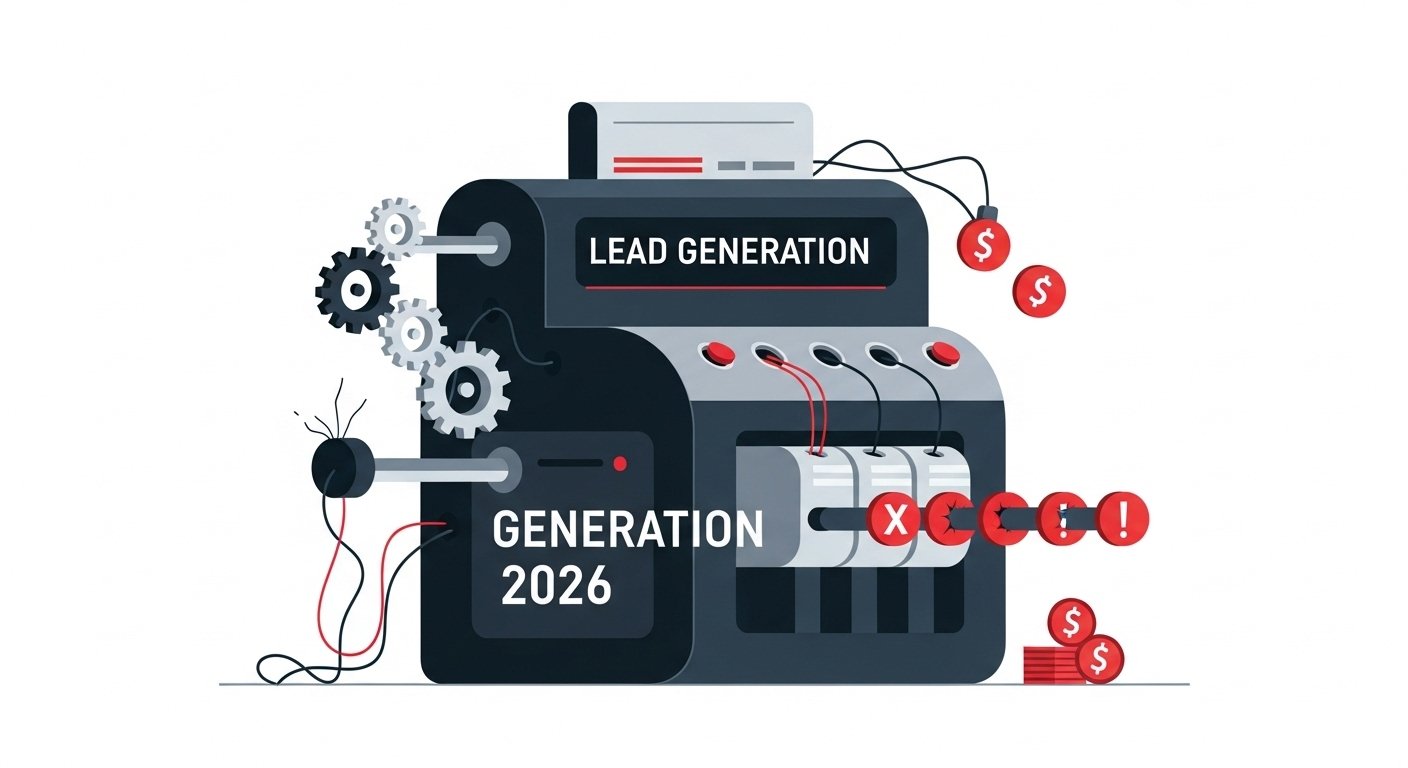
Lead generation is not what it used to be. A few years ago, more leads usually meant more sales. In 2026, that logic is falling apart. Here’s the thing, businesses are getting flooded with leads, but conversion rates are dropping. What most people miss is that the system has shifted from quality to volume. Platforms and providers are incentivized to generate as many leads as possible, not necessarily good ones. I have seen companies double their lead count and still struggle to close deals. That should not happen, but it does. The problem is not traffic, it is trust and quality. If you are still chasing volume without questioning where those leads come from, you are playing a losing game.
Oversupply of Low Quality Leads
This is where things get messy. In plumbing campaigns, a single lead can be sold to multiple contractors within minutes. Each one calls the same customer, often repeatedly. From the customer’s perspective, it feels spammy. From the business side, it becomes a race to respond first. I have seen cases where five companies compete for the same lead, driving down conversion rates for everyone. More leads exist, but their individual value drops. This oversupply creates noise instead of opportunity, and most businesses do not realize it until performance declines.
Fixing the Lead Generation Problem
The fix is not complicated, but it requires discipline. Stop chasing volume blindly. Focus on sources that consistently produce actual customers, not just inquiries. In roofing campaigns, the first company to respond often wins, so speed matters. But quality matters more. Track which leads convert, cut off poor sources, and invest in better ones even if they cost more. This is where smarter businesses pull ahead while others keep burning budget.
FAQs
Why is lead generation failing now?
Lead generation is struggling because the market is flooded with low quality and duplicated leads. Many providers prioritize volume over quality, which results in more inquiries but fewer actual customers. This imbalance reduces trust and makes it harder for businesses to convert leads into revenue, even when traffic looks strong.
How can I improve lead quality?
Start by tracking which sources actually convert into paying customers. Eliminate channels that produce low quality leads, even if they generate high volume. Respond quickly to new leads and focus on intent signals during interactions. Investing in fewer but better leads often delivers stronger results than chasing large numbers.