
The Health Risks of Ignoring Mold and Why Mold Remediation Matters
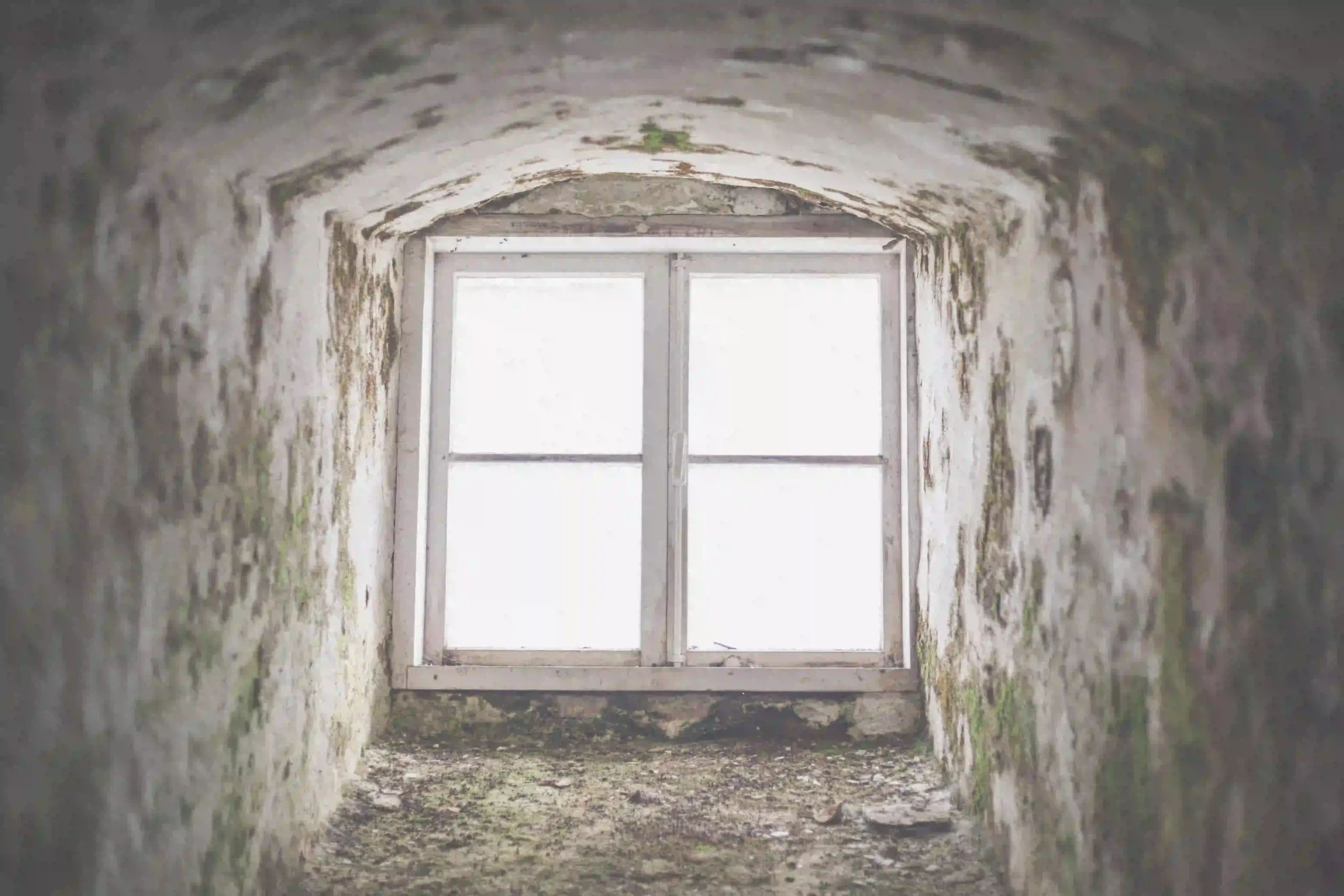
Mold is one of those things that a lot of homeowners try to ignore or deal with by just spraying some bleach on it and hoping it goes away but the reality is that mold is a living organism that spreads through microscopic spores and if you do not actually fix the moisture problem and do proper mold remediation it is just going to keep coming back and potentially make your family seriously sick in the process. The health problems from mold exposure can range from mild allergy symptoms like sneezing and itchy eyes all the way up to serious respiratory issues asthma attacks and even neurological problems from certain types of toxic black mold and that is why mold remediation is not just about protecting your house it is about protecting the actual health of everyone living under that roof. Mold remediation becomes necessary anytime you have had water damage that was not dried out properly and fast enough because mold spores are everywhere in the environment just waiting for the right conditions of moisture and organic material to start colonizing and growing. If you can smell a musty odor but you cannot see any visible mold that is a classic sign you need mold remediation because hidden mold inside walls under flooring or in your HVAC repair ducts is releasing spores and gases that you are breathing in every day. A water damage restoration job that was not followed up with proper drying is a prime cause of needing mold remediation later because the moisture got trapped behind walls or under flooring and created a perfect mold breeding ground. And if you have had a roof leak that required emergency roof repair or a plumbing leak that needed an emergency plumber and the affected areas were not properly dried within twenty four to forty eight hours the odds of needing mold remediation go up dramatically.
How Professional Mold Remediation Gets Rid of Mold for Good
Professional mold remediation is a whole different level of approach compared to just scrubbing visible mold off a surface because the goal is to actually eliminate the mold colony and remove the spores from your indoor environment not just bleach the surface and leave the roots and spores behind. A mold remediation company starts with a thorough inspection and testing to determine the extent of the mold growth the type of mold present and most importantly the source of the moisture that is feeding the mold because if the moisture source is not fixed the mold remediation will be a temporary fix at best. Containment is a critical part of mold remediation because the last thing you want is the mold remediation crew disturbing the mold and sending clouds of spores throughout the rest of your house so they set up negative air pressure containment with plastic sheeting and HEPA filtered air scrubbers to keep the spores contained to the work area. The actual mold remediation removal process involves physically removing mold contaminated materials like drywall insulation and carpeting that cannot be adequately cleaned and then using specialized cleaning techniques and antimicrobial treatments on the structural framing and other surfaces that can be saved. Air scrubbing with HEPA filtration runs throughout the mold remediation project and for a period afterward to capture any airborne spores that got stirred up during the removal process and bring the indoor air quality back to safe levels. After the mold remediation is complete the company should do a clearance test to verify that mold spore counts inside the home are back to normal outdoor levels and that the mold remediation was successful which gives you peace of mind that your family is breathing clean air again.
Mold growth can affect indoor air quality and potentially impact health. Proper remediation helps eliminate contamination and reduces the risk of future outbreaks.