
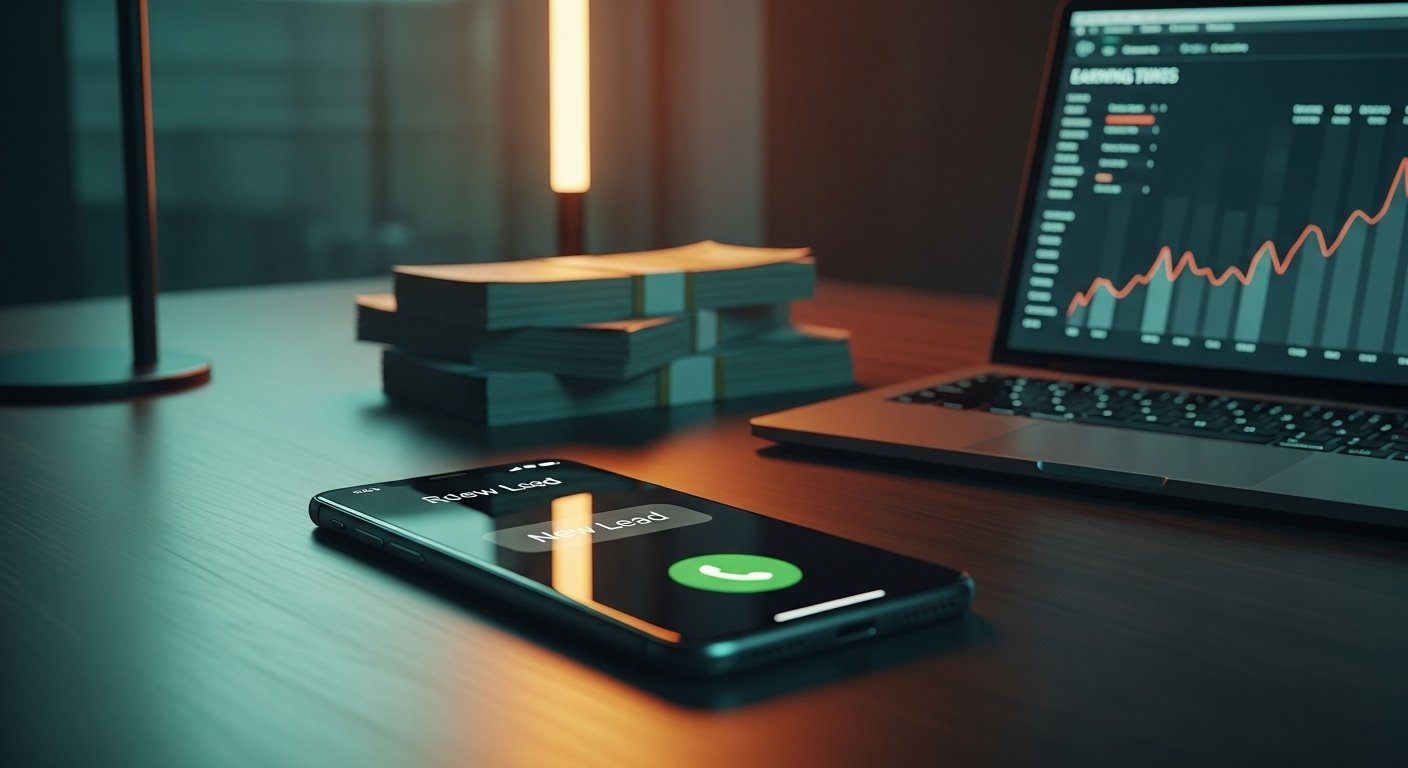
Pay per call marketing is a business model where advertisers pay publishers or affiliates for every qualified phone call they receive. Instead of paying for clicks that might not convert, you pay only when a potential customer picks up the phone. It’s a performance-based strategy that connects high-intent buyers with businesses through live conversations.
Understanding Pay Per Call: A Simple Guide to Phone Lead Marketing
Here’s how the process flows: a business lists a special tracked phone number on an affiliate’s website, blog, or ad. When a visitor calls that number, the call is routed through a call tracking system that records the source. If the call lasts longer than a set duration, say 60 seconds, it’s considered a qualified lead. The advertiser then pays the affiliate a pre-agreed commission for that call. You’ll find this model popular in industries like legal services, home services, and finance where complex sales often need a human touch. For example, a user searching for “plumber near me” is much more valuable on the phone than just clicking a link.
Real-World Pay Per Call Examples You’ll Recognize
Think about the last time you needed a tow truck urgently. You probably grabbed your phone and called the first number you saw. In pay per call, a towing company might partner with a local automotive blog. The blog places a tracked number on its “emergency roadside assistance” page. When you call, the blog owner gets paid because they delivered a hot lead. Another common example is legal services. A personal injury lawyer might pay an affiliate for calls from a page titled “what to do after a car accident.” The caller gets immediate advice, the lawyer gets a new client, and the affiliate earns a commission for facilitating that connection.
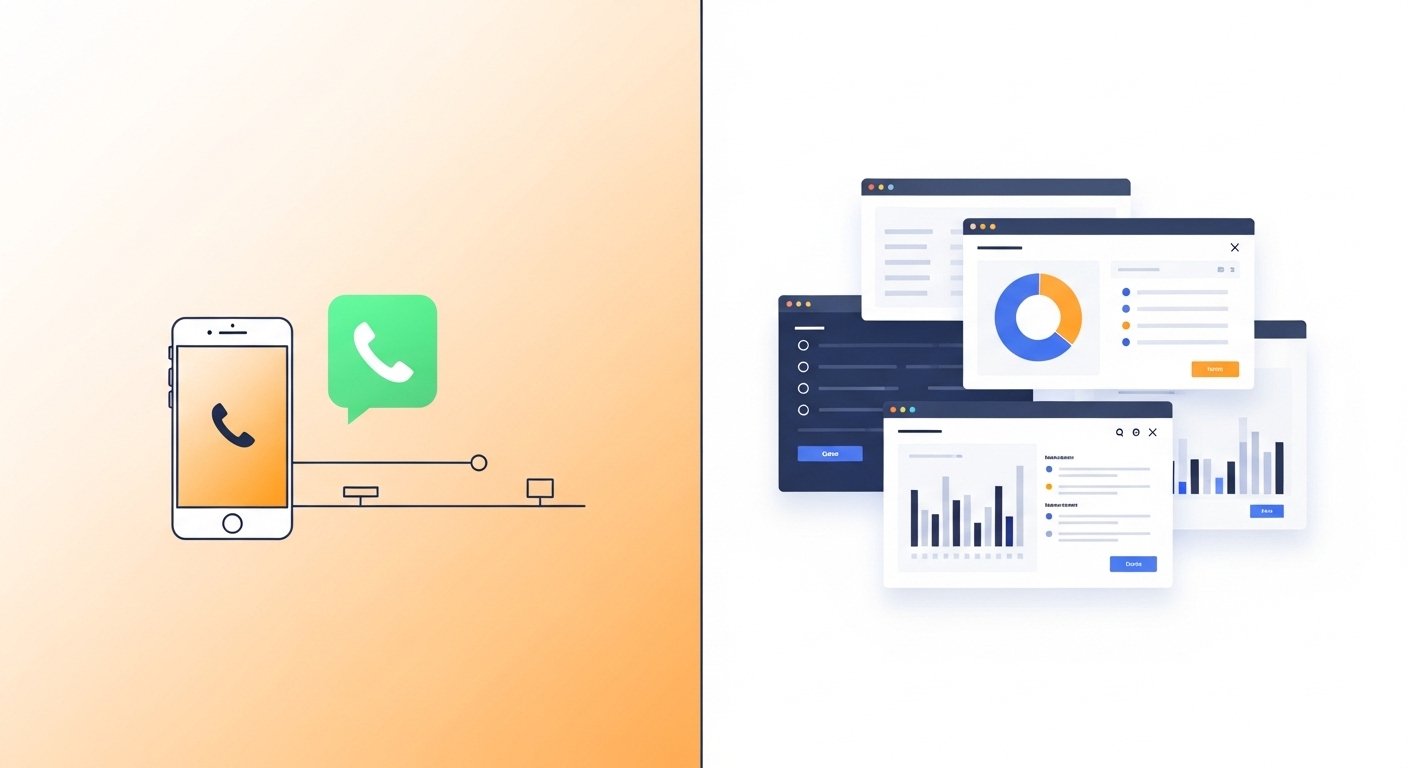
Pay per click charges you when someone clicks your ad, regardless of whether they buy. Pay per call only charges you when a prospect actually calls your business. Calls usually indicate higher buyer intent than clicks.
Pay per click charges you when someone clicks your ad, regardless of whether they buy. Pay per call only charges you when a prospect actually calls your business. Calls usually indicate higher buyer intent than clicks.